
Tel: 07866 747 849


Educational, Gardens and Planting / 03 Jul 2026
Advice on How Best to Create a Sussex Woodland Garden
Woodland Garden advice as Inspired by Nymans and Wakehurst and the longing for shade while writing due to the current heat wave temperatures…..
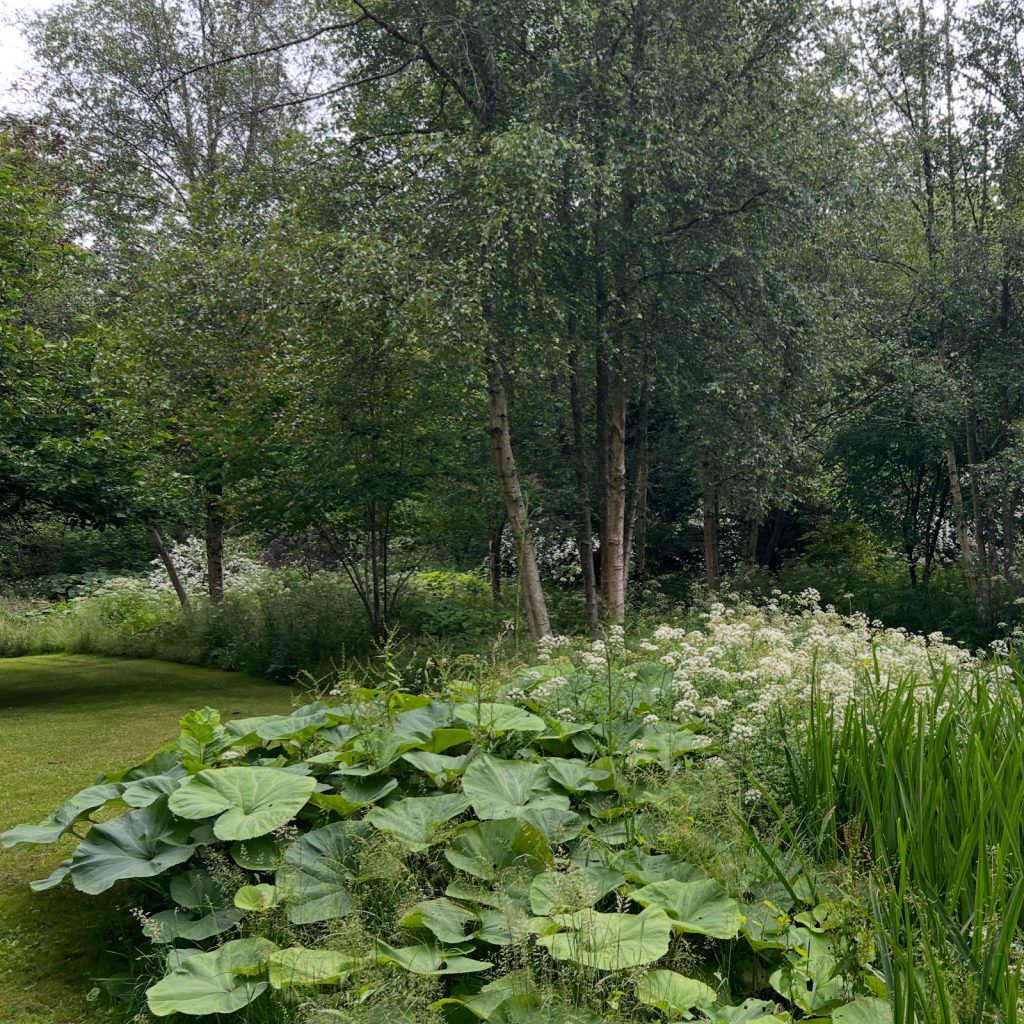
A Woodland garden has a timeless, atmospheric quality cool, layered, and rich with texture. In Sussex, we’re fortunate to have some of the finest examples, including Nymans and Wakehurst. Both demonstrate how thoughtful planting and sensitive design can transform shaded spaces into something truly special.
Creating a woodland garden at home doesn’t require acres of land, but it does require an understanding of how woodland environments work and how to replicate them.
Understanding the Woodland Environment
Woodland gardens are defined by a few key conditions:
- Dappled shade rather than full sun
- Moist, humus-rich soil
- Shelter from strong winds
- Layered planting structure
Even in smaller Sussex gardens, these conditions can often be recreated—particularly in areas with established trees or natural shade.
Start with Structure: The Canopy
At the heart of any woodland garden is the canopy layer.
If you already have mature trees, they form the backbone of your design. If not, consider introducing smaller, appropriate species such as:
- Amelanchier
- Betula (birch)
- Acer (particularly Japanese maples for smaller spaces)
These provide light, filtered shade and help create the microclimate that woodland plants thrive in.
The Importance of Soil
Woodland planting depends heavily on rich, organic soil.
To achieve this:
- Add leaf mould or compost regularly
- Allow fallen leaves to break down naturally where possible
- Avoid excessive soil disturbance
This builds the humus layer that woodland plants rely on and supports beneficial soil organisms.
Layered Planting: The Key to Success
A woodland garden works because of its layers. Think in terms of vertical structure:
1. Tree Layer
Provides canopy and shade
2. Shrub Layer
Adds form and seasonal interest
Good choices include:
- Rhododendron
- Camellia
- Hydrangea
- Viburnum
3. Understorey and Ground Layer
This is where woodland gardens really come to life.
Consider:
- Ferns (for texture and movement)
- Hosta (for bold foliage)
- Epimedium (excellent groundcover)
- Brunnera (for shade and spring colour)
- Anemone (late-season interest)
This layered approach creates depth, interest, and a naturalistic feel.
Seasonal Interest
One of the defining features of gardens like Nymans and Wakehurst is their year-round appeal.
To replicate this:
- Use spring bulbs (snowdrops, bluebells, narcissus) for early colour
- Include flowering shrubs for structure
- Rely on foliage contrast through summer
- Incorporate autumn colour through trees and shrubs
Woodland gardens are often more about subtle change than bold seasonal displays.
Paths and Journey
A woodland garden should feel immersive.
- Use meandering paths rather than straight lines
- Choose natural materials such as bark, gravel, or stepping stones
- Create moments of discovery seating areas, focal plants, or views
The aim is to encourage exploration and create a sense of calm enclosure.
Water and Moisture
Woodland plants generally prefer consistent moisture, but not waterlogging.
- Improve soil with organic matter to retain moisture
- Use mulch to reduce evaporation
- Consider incorporating water features where appropriate
Even in drier Sussex gardens, these techniques can help create suitable conditions.
Managing Light
Light is one of the most important design tools in a woodland garden.
- Work with dappled shade, not deep, dense darkness
- Prune trees selectively to allow light through
- Use lighter foliage plants to brighten darker areas
The interplay of light and shadow is what gives woodland gardens their atmosphere.
A Naturalistic Approach
The most successful woodland gardens avoid rigid formality.
- Allow plants to naturalise and spread
- Group plants in drifts rather than isolated specimens
- Embrace a slightly informal, relaxed aesthetic
This creates a garden that feels established and in harmony with its surroundings.
Final Thoughts
Creating a woodland garden in Sussex is about capturing a feeling as much as a style. By taking inspiration from places like Nymans and Wakehurst, and focusing on structure, soil, and layered planting, it’s possible to create a space that feels calm, immersive, and connected to the landscape.
With time, patience, and the right approach, a woodland garden will only improve becoming richer, softer, and more characterful with each passing season.
If you would like some advice on how to create a woodland garden in your garden please feel free to contact us, details below: