
Tel: 07866 747 849


Educational, Gardens and Planting / 05 Jun 2026
How to Design A Garden with Sustainability in Mind
Sustainable Gardening in West Sussex: Designing Gardens That Work with Nature
As a garden designer in West Sussex, I believe a garden should be more than just beautiful, it should be a living ecosystem, supporting wildlife, thriving plants, and the local environment. Sustainability & gardening isn’t just a trend; it’s a way to create outdoor spaces that are resilient, resource-efficient, and ecologically harmonious.
Designing a Local Ecosystem
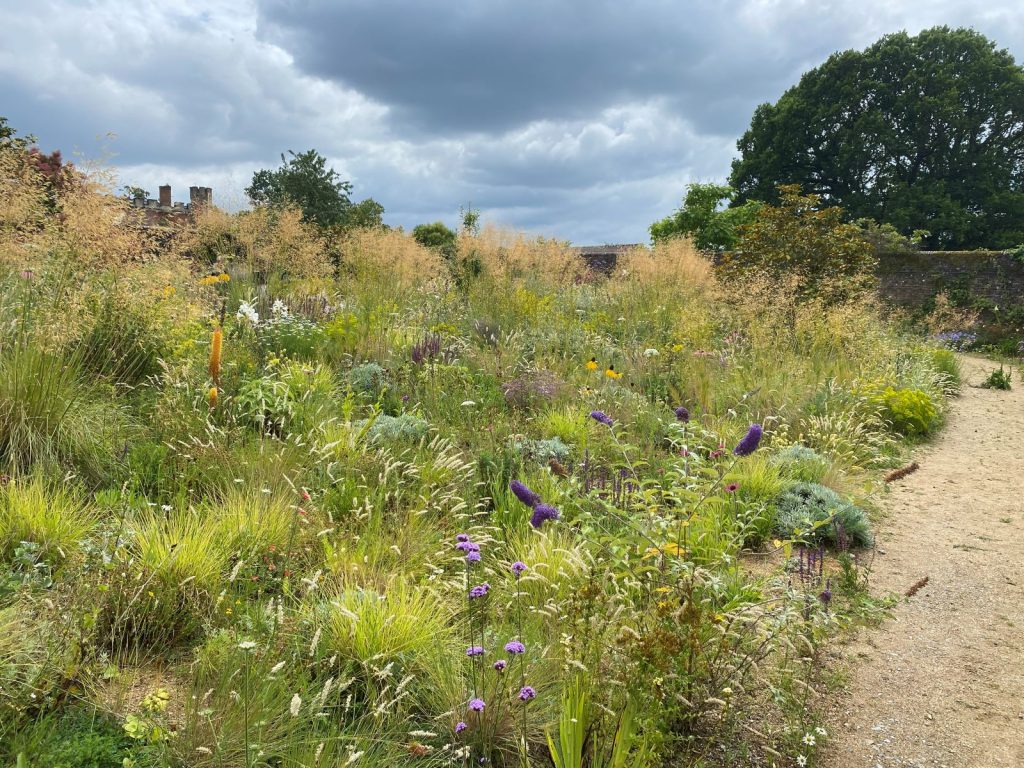
One of the most rewarding aspects of sustainable garden design is using your garden to create its own ecosystem. By choosing plants that are native or well-adapted to the local landscape, we can encourage biodiversity and ensure the garden thrives naturally. These plants are more resistant to local pests and weather extremes, require less water and maintenance, and provide essential food and shelter for local wildlife. The result is a garden that feels in harmony with its surroundings, almost as if it has grown out of the local landscape itself.
Water Harvesting: Making Every Drop Count
Sustainable gardens make efficient use of water. Collecting rainwater in barrels, installing permeable paving, or creating swales and ponds allows the garden to water itself naturally. By directing harvested rainwater to planting beds and containers, we reduce reliance on mains water while supporting a healthy, self-sustaining environment.
Pollinator-Friendly Planting
A thriving ecosystem needs pollinators. Planting a mix of nectar-rich flowers, native plants, and seasonal blooms ensures bees, butterflies, and other insects have food throughout the year. Even small additions like letting herbs flower or leaving a wildflower patch can transform your garden into a pollinator paradise.
Innovative and Reclaimed Planting Techniques
West Sussex is home to pioneering sustainable gardening projects. For example, Knepp Castle Estate is experimenting with growing plants in reclaimed substrates like crushed concrete. Techniques like these not only recycle materials but also create interesting planting opportunities, reducing the need for imported soil or peat-based products.
Using Sustainable Materials
Sustainable gardening goes beyond plants. Choosing responsibly sourced timber, recycled stone, or certified eco-friendly products ensures that your garden has a low environmental impact. Avoiding peat-based composts protects vulnerable peatlands, while modern alternatives allow plants to flourish without compromising ecosystems.
Building a Self-Sustaining Garden
The ultimate goal of sustainable garden design is to create a self-sustaining ecosystem. This means selecting plants and features that support one another and the local environment from soil-building perennials to pollinator-friendly flowers and water-wise layouts. Over time, your garden becomes a resilient, living system, naturally adapted to West Sussex’s climate and conditions, providing beauty, food, and shelter for wildlife year-round.
By designing gardens that reflect the local landscape, support wildlife, and use resources wisely, we can create spaces that are beautiful, low-maintenance, and truly alive. A sustainable garden in West Sussex isn’t just a place to relax it’s a thriving ecosystem in miniature, connecting people with nature right outside their door.
If you would like to discuss designing your garden with sustainability in mind please feel free to contact us, details below: