
Tel: 07866 747 849


The importance of having Healthy Soil When Planting New Gardens
West Sussex Garden Design Perspective on Healthy Soil.
When people think about gardens, they often focus on what is visible: planting schemes, colour, structure, lawns, and hard landscaping. However, the real foundation of any successful garden is something you rarely see at all – the soil beneath your feet.
Healthy soil is the single most important factor in determining whether a garden thrives or struggles. Everything else depends on it.
Why Soil Health Matters
Soil is not just a growing medium; it is a living system. A healthy soil:
- Supports strong root development
- Supplies and regulates nutrients
- Retains and drains moisture effectively
- Buffers plants against drought and stress
- Encourages long-term plant resilience
In contrast, poor soil structure leads to weak growth, higher maintenance, and plants that are far more dependent on watering and feeding.
In West Sussex, soils can vary significantly from heavy clays to free-draining sandy or chalky ground so understanding and improving soil condition is essential in any garden design.
Building Healthy Soil
Healthy soil is created over time through consistent management, not quick fixes. The most effective method is the addition of organic matter.
This can include:
- Well-rotted compost
- Leaf mould
- Well-aged manure
- Organic mulches such as bark or woodchip
As these materials break down, they:
- Improve soil structure
- Increase water retention in sandy soils
- Improve drainage in heavy soils
- Feed the soil ecosystem
This slow improvement is far more valuable than relying solely on artificial fertilisers.
The Hidden Workforce: Mycorrhizal Fungi
One of the most important but least visible components of healthy soil is mycorrhizal fungi.
These fungi form a natural, symbiotic relationship with plant roots. In simple terms, they act as an underground extension of the root system.
They:
- Increase the surface area of roots dramatically
- Help plants access water and nutrients more efficiently
- Improve drought tolerance
- Enhance resistance to stress and disease
- Support long-term soil fertility
In many cases, a plant connected to healthy mycorrhizal networks will perform significantly better than one growing in sterile or heavily disturbed soil.
This relationship is especially important in designed gardens, where soil is often disturbed during construction and planting.
How Mulching Supports Soil Life
Mulching is one of the simplest and most effective ways to support soil health and encourage beneficial fungi.
Organic mulches:
- Provide a steady food source for soil organisms
- Help maintain moisture levels
- Regulate soil temperature
- Reduce weed competition
- Protect the soil surface from compaction and erosion
Importantly, as mulches break down, they feed both the soil and the fungal networks within it, strengthening the entire system over time.
Well-managed mulching can significantly increase mycorrhizal activity and overall soil vitality.
Soil Structure: The Foundation of Everything
Good soil structure allows:
- Air to reach plant roots
- Water to move freely without pooling or running off
- Roots to expand and establish deeply
Compacted or poorly structured soil restricts all of these processes. In designed gardens, this is often caused by construction traffic, level changes, or imported soils that have not been properly improved.
Rebuilding structure through organic matter and reduced compaction is essential for long-term success.
The Role of Soil in Plant Performance
Strong, healthy soil directly influences:
- Plant establishment speed
- Flowering and foliage quality
- Resistance to drought and heat
- Long-term maintenance requirements
Put simply: better soil means less intervention is needed later. Plants in healthy soil require less watering, less feeding, and suffer fewer problems overall.
A Long-Term Approach to Garden Success
Healthy soil is not created in a single season it develops over time. The most successful gardens are those where soil improvement is treated as an ongoing process.
Key principles include:
- Regular organic mulching
- Minimal soil disturbance
- Encouraging natural biological activity
- Avoiding overuse of synthetic inputs
- Supporting microbial and fungal life
Final Thoughts
In garden design, plants often get the attention, but soil is what sustains them.
By focusing on soil health and particularly the vital role of organisms like mycorrhizal fungi we create gardens that are not only more attractive, but also more resilient, sustainable, and easier to maintain.
A well-designed garden is built from the ground up. And everything good above ground begins below it.
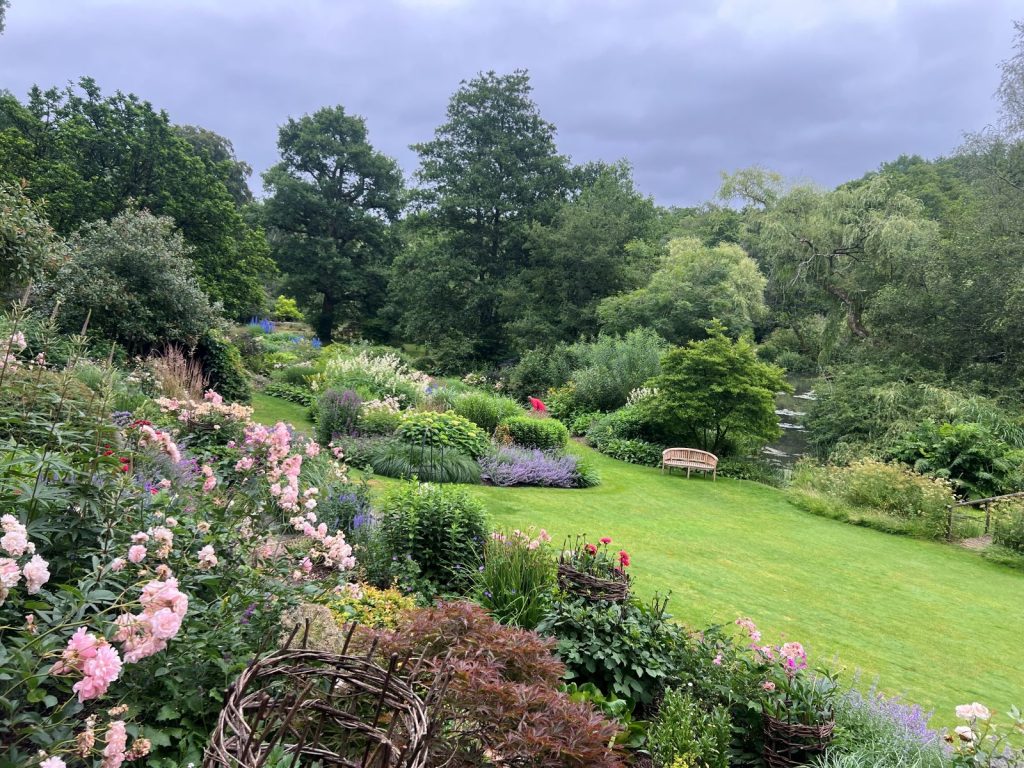
If you would like to discuss how to get the best from your garden please feel free to contact us – details below: