
Tel: 07866 747 849


Behind the Scenes, Educational / 03 Aug 2026
The Best Garden Edging Ideas: Choosing the Right Hard Landscaping Edge for Your Garden
When planning a new garden, homeowners often focus on paving, planting and seating areas, but one of the most important details is often overlooked: edging.
Hard landscaping edges may seem like a minor feature, but they play a vital role in defining spaces, retaining materials, improving durability and creating a polished finish. Whether you’re separating a lawn from a border, containing gravel, or creating a clean transition between different materials, the right edging solution can significantly influence the overall appearance of a garden.
As garden designers in West Sussex, we carefully consider edging details at the start of every project. The best solution & Edging Ideas depends on the style of the garden, the materials being used and the level of maintenance the client is willing to undertake.
In this guide, we’ll explore some of the most popular hard landscaping edging options and where they work best.
Why Garden Edging Matters
Garden edging serves several important functions:
- Creates clear visual boundaries
- Prevents gravel and mulch from migrating
- Helps retain paving and aggregate surfaces
- Makes lawn maintenance easier
- Adds structure and definition
- Creates a professional, finished appearance
A well-designed edge can transform a garden from looking unfinished to looking carefully considered.
Steel Edging
Steel edging has become increasingly popular in contemporary and naturalistic garden design.
Best For
- Contemporary gardens
- Gravel gardens
- Prairie-style planting
- Curved borders
- Minimalist designs
Advantages
Steel edging creates a crisp, almost invisible boundary between materials. It can be formed into sweeping curves or precise straight lines, making it extremely versatile.
Weathering steel develops a natural rusted patina that complements planting schemes, while powder-coated and galvanised options offer a more contemporary appearance.
Considerations
Installation must be precise to achieve clean lines. Higher-quality steel products can be more expensive initially, but their longevity often makes them a worthwhile investment.
Stone Setts
Granite, sandstone and limestone setts provide a traditional and highly durable edging solution.
Best For
- Traditional gardens
- Driveways
- Formal layouts
- Heritage properties
Advantages
Stone setts create a strong visual edge while tying in beautifully with natural paving materials. They can be laid flush with lawns or raised slightly to create greater definition.
Their durability makes them ideal for high-traffic areas.
Considerations
Stone setts can be labour-intensive to install and require careful setting out to maintain consistent lines.
Brick Edging
Brick remains one of the most timeless edging materials available.
Best For
- Cottage gardens
- Traditional gardens
- Victorian properties
- Kitchen gardens
Advantages
Brick edging introduces warmth, texture and character. It works particularly well when matched to the property’s existing brickwork.
Bricks can be laid flat, on edge or in decorative patterns to create different visual effects.
Considerations
Brick edging may require occasional repointing over time, particularly in areas with heavy root activity or movement.
Flush Paving Edges
Sometimes the simplest solution is to allow paving itself to create the edge.
Best For
- Contemporary gardens
- Courtyard gardens
- Modern family gardens
Advantages
A flush paving edge creates seamless transitions and clean architectural lines. This approach is particularly effective where simplicity and minimalism are key design objectives.
It can also improve accessibility by removing unnecessary level changes.
Considerations
The paving installation must be accurate and well-supported to prevent movement over time.
Timber Edging
Timber edging offers a natural and cost-effective way to define garden spaces.
Best For
- Informal gardens
- Woodland gardens
- Raised beds
- Naturalistic landscapes
Advantages
Timber provides warmth and blends naturally into planted environments. Railway sleepers, oak boards and treated softwood can all be used effectively.
Considerations
Even durable hardwoods will eventually weather and require replacement. Timber edging generally has a shorter lifespan than stone or metal alternatives.
Gravel Retention Edges
Gravel gardens require particular attention to edging details.
Best For
- Gravel paths
- Mediterranean gardens
- Contemporary landscapes
- Drought-tolerant planting schemes
Advantages
Dedicated gravel retention systems help prevent aggregate from spreading into lawns and planting beds.
Options include steel edging, stone setts, concrete restraints and hidden retaining systems.
Considerations
Without suitable edging, gravel can migrate quickly, creating maintenance issues and reducing the garden’s visual appeal.
Raised Kerb Edging
Raised kerbs create a more pronounced separation between different areas of the garden.
Best For
- Formal gardens
- Level changes
- Raised beds
- Larger landscapes
Advantages
Raised edges add structure and can help retain soil and mulch. They create strong visual lines and can enhance the sense of order within a design.
Considerations
Careful detailing is required to ensure raised edges do not become trip hazards or feel overly dominant within smaller gardens.
Natural Stone Walling
In some gardens, particularly sloping sites, a low retaining wall can function as an attractive edging feature.
Best For
- Sloping gardens
- Country gardens
- Sussex flint gardens
- Traditional landscapes
Advantages
Natural stone walling creates a permanent and highly attractive boundary. It can also double as informal seating and provide valuable planting opportunities.
In West Sussex, locally sourced sandstone and flint often work beautifully within rural settings.
Considerations
Wall construction requires appropriate foundations and can represent a larger investment than simpler edging solutions.
Invisible Edging Systems
Sometimes the best edging is the one you barely notice.
Best For
- Naturalistic gardens
- Meadow planting
- Informal landscapes
Advantages
Hidden edging systems retain gravel, bark or paving while allowing planting to remain the visual focus.
They are particularly useful where a softer, less structured appearance is desired.
Considerations
Although visually discreet, installation accuracy remains essential for long-term performance.
Choosing the Right Edging for Your Garden
The most suitable edging solution will depend on several factors:
- The style of your garden
- The materials being used
- Budget considerations
- Maintenance requirements
- Soil conditions
- Whether the edge is primarily functional, decorative or both
In many cases, combining several edging treatments throughout the garden creates the most successful result. For example, steel edging may define planting areas, while stone setts provide a more robust solution around driveways and pathways.
Final Thoughts
Garden edging is one of those details that often goes unnoticed when done well, yet its impact on the overall design is significant. It provides structure, defines spaces and helps ensure hard landscaping materials perform effectively for years to come.
Whether you’re creating a contemporary courtyard, a traditional country garden or a wildlife-friendly landscape, choosing the right edging detail can make the difference between a garden that looks unfinished and one that feels professionally designed.
If you’re planning a garden renovation in West Sussex, considering edging solutions early in the design process will help create a more cohesive, durable and attractive outdoor space.
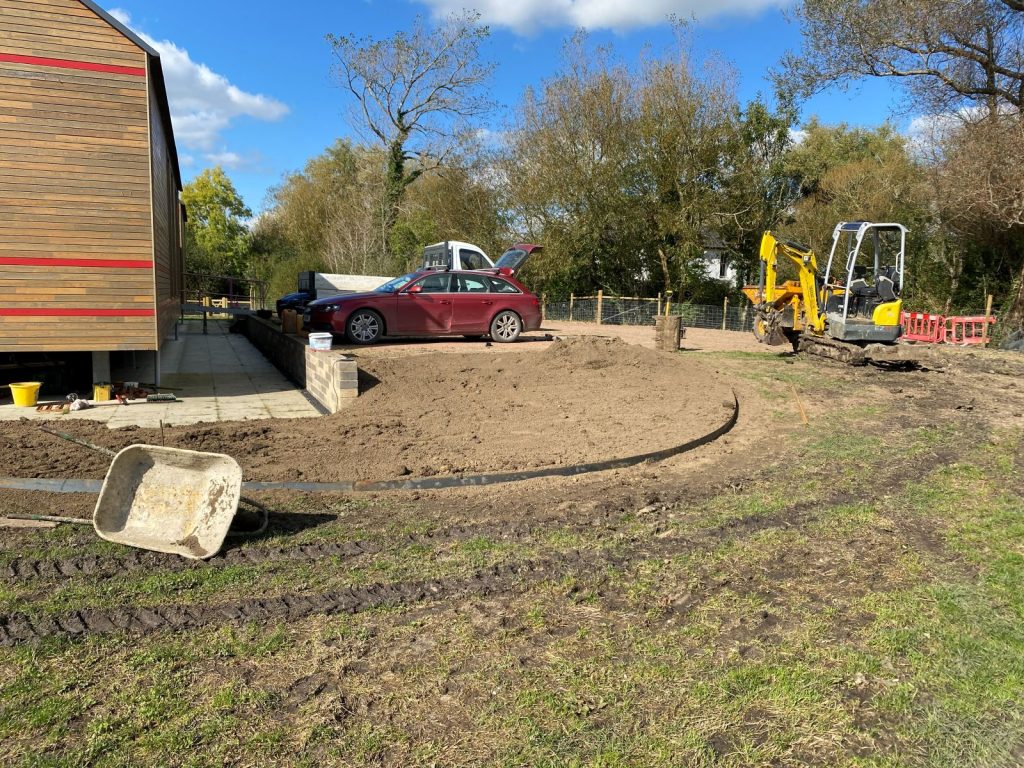
If you would like to discuss different edge solutions for your garden feel free to call, details below: