
Tel: 07866 747 849


The Best Way To Understand Different Garden Styles
A Guide to Different Garden Styles and Their Design Principles
One of the most exciting stages of any garden design project is deciding on a style. Whether you are creating a contemporary outdoor living space, a traditional English country garden, or a wildlife-friendly retreat, every successful garden starts with a clear design direction and decisions on Different Garden Styles are very much in the forefront of any initial discussions.
As garden designers in West Sussex, we often meet clients who know what they like but struggle to define it. Understanding the characteristics and design principles of different garden styles can help you make informed decisions and create a cohesive outdoor space that feels both beautiful and functional.
In this guide, we’ll explore some of the most popular garden styles and look at the key considerations that help make each one successful.
Why Garden Style Matters
A well-designed garden should feel harmonious. This means that materials, planting, structures, colours and layout all work together to support a unified vision.
Problems often arise when styles become mixed without a clear purpose. For example, a formal geometric patio may clash with highly naturalistic planting, while modern architectural features can look out of place in a traditional cottage garden.
Choosing a garden style doesn’t mean following strict rules, but it does provide a framework that helps guide design decisions.
Contemporary Garden Design
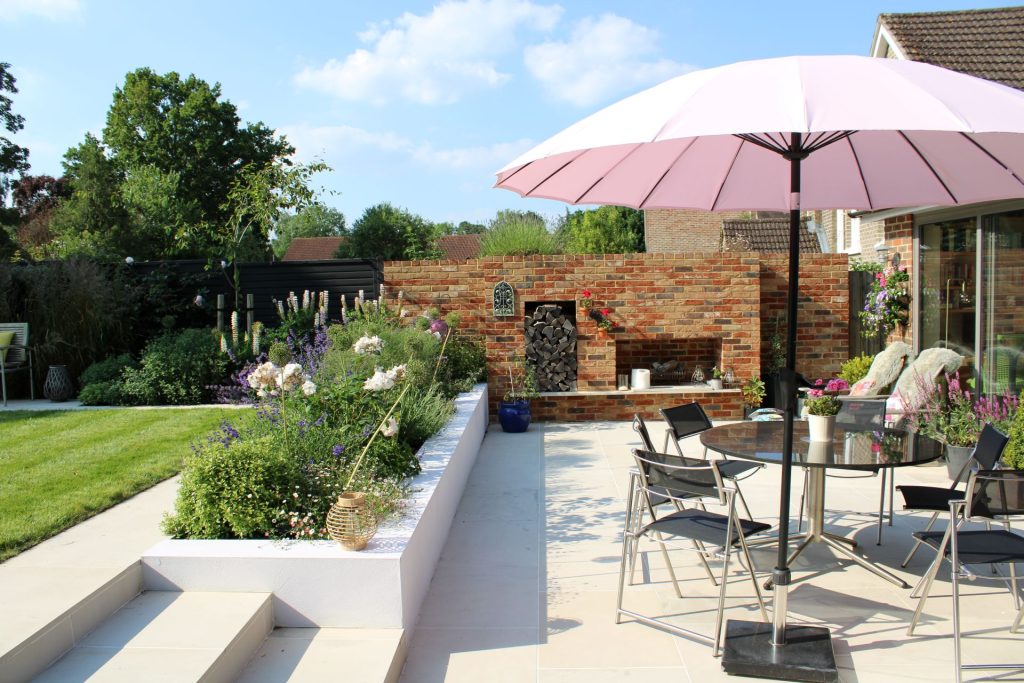
Contemporary gardens are increasingly popular throughout West Sussex, particularly in newer homes and renovated properties.
Key Characteristics
- Clean lines and geometric layouts
- Large-format paving
- Minimal colour palettes
- Architectural planting
- Outdoor living spaces
- Water features and modern lighting
Design Considerations
Contemporary gardens rely heavily on structure and simplicity. Materials should be carefully selected and repeated throughout the space to create consistency.
Planting is often restrained, using bold forms rather than masses of colourful flowers. Grasses, evergreen shrubs and specimen trees work particularly well.
Avoid overcrowding the design with too many materials, colours or ornamental features, as this can dilute the modern aesthetic.
Traditional English Country Gardens
The classic English country garden remains one of the most requested styles for homeowners across Sussex.
Key Characteristics
- Abundant planting
- Informal borders
- Roses and herbaceous perennials
- Traditional materials such as brick and natural stone
- Curving pathways
- Seasonal colour
Design Considerations
While these gardens appear relaxed and natural, they are often carefully planned.
Planting should provide year-round interest through a mixture of shrubs, perennials, bulbs and climbers. Hard landscaping should complement the property’s architecture and local surroundings.
Avoid introducing overly modern materials or highly geometric layouts that may disrupt the traditional feel.
Cottage Gardens
Cottage gardens celebrate informality, colour and biodiversity.
Key Characteristics
- Dense planting
- Self-seeding flowers
- Traditional garden favourites
- Informal paths
- Productive planting mixed with ornamentals
Design Considerations
The secret to successful cottage gardens is controlled informality. While the planting may appear spontaneous, careful consideration is given to height, flowering periods and colour combinations.
Traditional fencing, gravel paths and natural materials help reinforce the style.
Mediterranean Gardens
With warmer summers becoming increasingly common, Mediterranean-inspired gardens are gaining popularity in West Sussex.
Key Characteristics
- Drought-tolerant planting
- Gravel gardens
- Terracotta and natural stone
- Olive trees and architectural plants
- Warm colour palettes
Design Considerations
Drainage is essential. Mediterranean plants thrive in free-draining soils and sunny positions.
The planting palette should focus on texture, foliage and form rather than relying solely on flowers. Gravel, stone and carefully selected planting create a relaxed yet sophisticated appearance.
Avoid excessive lawn areas, which can feel at odds with the overall aesthetic.
Wildlife-Friendly Gardens
Many homeowners now wish to support biodiversity while maintaining an attractive garden.
Key Characteristics
- Native and pollinator-friendly planting
- Wildlife habitats
- Naturalistic planting schemes
- Ponds and water features
- Reduced chemical use
Design Considerations
Wildlife gardens should still have structure. Defined paths, seating areas and clear edges help create a sense of intentional design.
The most successful wildlife gardens balance ecological value with visual appeal, ensuring the space feels inviting rather than neglected.
Formal Gardens
Formal gardens are characterised by symmetry, order and strong geometry.
Key Characteristics
- Structured layouts
- Topiary and clipped hedging
- Symmetrical planting
- Defined axes and focal points
- Elegant hard landscaping
Design Considerations
Precision is critical. Every element should reinforce the garden’s geometry and balance.
Planting is often more restrained than in informal gardens, with an emphasis on structure and repetition.
Formal gardens generally require more ongoing maintenance to preserve their appearance.
Naturalistic and Prairie-Style Gardens
Inspired by natural landscapes, prairie and naturalistic gardens have become increasingly influential in modern garden design.
Key Characteristics
- Ornamental grasses
- Long flowering seasons
- Natural plant communities
- Movement and texture
- Wildlife benefits
Design Considerations
Although these gardens appear wild, successful naturalistic planting requires careful planning.
Plants must be selected for compatibility, seasonal interest and long-term performance. Layering and repetition help create a cohesive appearance.
Avoid mixing highly formal elements into these schemes unless there is a deliberate contrast.
Choosing the Right Garden Style for Your Property
The best garden style is not always the one that is currently fashionable. A successful design should reflect:
- The architecture of your home
- The character of the surrounding landscape
- Site conditions and soil type
- Your lifestyle and maintenance expectations
- Personal preferences
A contemporary garden may perfectly suit a modern extension, while a cottage-style design may feel more appropriate alongside a period property.
In many cases, the most successful gardens borrow elements from several styles while maintaining a clear overall identity.
Designing with Confidence
Garden styles provide useful guidance, but they should not be viewed as rigid rules. Great garden design is about understanding the principles behind each style and adapting them to suit the client, site and surroundings.
As professional garden designers, our role is to create gardens that feel authentic, functional and timeless rather than simply following trends.
Whether you’re drawn to contemporary simplicity, traditional English planting, Mediterranean influences or wildlife-friendly landscapes, a clear design vision is the foundation of a successful garden.
Final Thoughts
Every garden style has its own language of materials, planting and structure. Understanding these principles allows you to make better design decisions and create an outdoor space that feels cohesive and purposeful.
If you’re planning a garden redesign in West Sussex and would like expert guidance on choosing the right style for your property, professional garden design can help transform ideas into a practical and beautiful outdoor space that works for years to come.
If you would like to find out more about how we can help redefine your garden style feel free to contact us, details below: